
Swimsuit Women
One piece swimsuits offer a streamlined silhouette that covers the torso in a single garment, balancing style and function for a wide range of activities. They come in diverse cuts, necklines, and leg openings, allowing for both modest coverage and playful, fashion-forward looks. This overview highlights how fit, coverage, fabric, and design details influence comfort and confidence at the beach, pool, or on vacation. With options ranging from classic to high fashion, one piece swimsuits remain a versatile staple for many body types and occasions. Whether you are seeking sport-ready performance or editorial polish, a well-chosen one piece can adapt to your personal style.
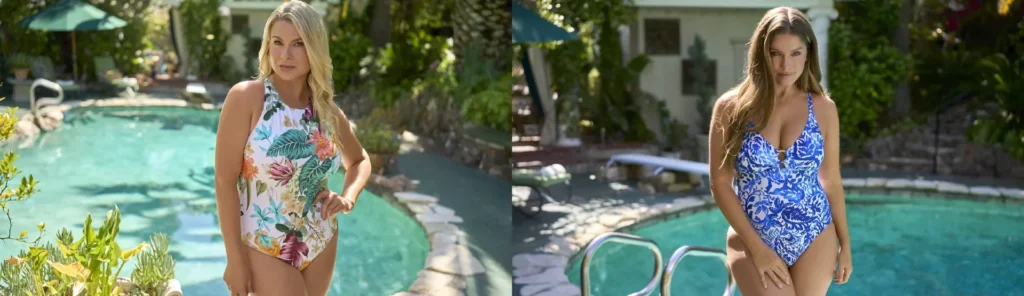
What is a one-piece swimsuit?
A one-piece swimsuit is a single garment that covers the torso from shoulders to hips, designed to stay in place during movement. The lack of a separate top and bottom means there is no midriff seam to ride up or shift, which creates a smooth, uninterrupted line across the torso. Variations in straps, necklines, back coverage, and leg height define the character of a piece, from modest square necks and high backs to daring plunge fronts and cheeky cuts. Materials used for one pieces are typically synthetic blends such as nylon, nylon-spandex, polyester, and elastane, chosen for stretch, comfort, and quick-drying properties. The construction can include features like molded cups, removable padding, double-lined fronts, and tummy-control panels that offer support without sacrificing mobility. Designers also experiment with color blocking, prints, and textures to create eye-catching silhouettes that flatter different body shapes. For many buyers, the decision comes down to how the suit feels when worn, how it shapes the silhouette, and how well it transitions from poolside lounging to afternoon activities. The best one pieces combine practical fit with a sense of personal style, whether you prefer a conservative cut for sun safety or a fashion-forward piece that makes a statement by design. Accessibility and sizing are important considerations, and many brands now publish detailed size guides and model measurements to help shoppers gauge how a given cut will sit on their frame. Finally, care and maintenance matter; selecting fabrics that hold color and elasticity through multiple swims and washes contributes to long-term satisfaction with a single garment that can serve many moments. When shopping, note the torso length, bust support, and leg opening to ensure a comfortable, secure fit that stays put during movement. A well-fitting one-piece should feel balanced on the body, with straps that stay in place and fabric that moves with you rather than against you. In short, a thoughtfully chosen one-piece is a versatile foundation for both everyday wear at the pool and special-occasion swim style.
Brief history and evolution
Swimwear has evolved from practical wool and heavy fabrics that covered the body in the early 20th century to the sleek, form-fitting pieces seen today. The earliest one-piece suits emphasized modesty and sun protection, with long skirts and high necklines; over time, designers began exploring lighter fabrics, lower necklines, and more defined waistlines. The 1920s and 1930s brought a more streamlined silhouette as fashion shifted toward freedom of movement, aided by innovations in synthetic fibers and stretch materials. Postwar glamour in the 1950s celebrated sculpted waistlines and fuller bust support, which helped popularize the one-piece as a chic statement rather than a mere utilitarian garment. The 1960s and 1970s introduced bold prints, color blocking, and rising hemlines in beachwear, while technical fabrics and construction methods improved fit and comfort for swimming and sun protection. In recent decades, the category broadened to include vintage-inspired silhouettes, high-cut legs, high-neck options, and adaptive fits that cater to diverse body types and activities. The modern one-piece balances retro aesthetics with contemporary performance features, enabling wearers to feel confident whether they are training, lounging, or posing for vacation photos. As fashion and body positivity continue to shape the market, one-piece swimsuits have become a versatile foundation for personal expression, with brands embracing inclusive sizing and sustainable fabrics. Across markets, designers experiment with drape, texture, and color to offer options that feel current while remaining timeless. Consumers increasingly expect accurate size guidance, realistic product photography, and clear care instructions so they can choose a piece that wears well over time.
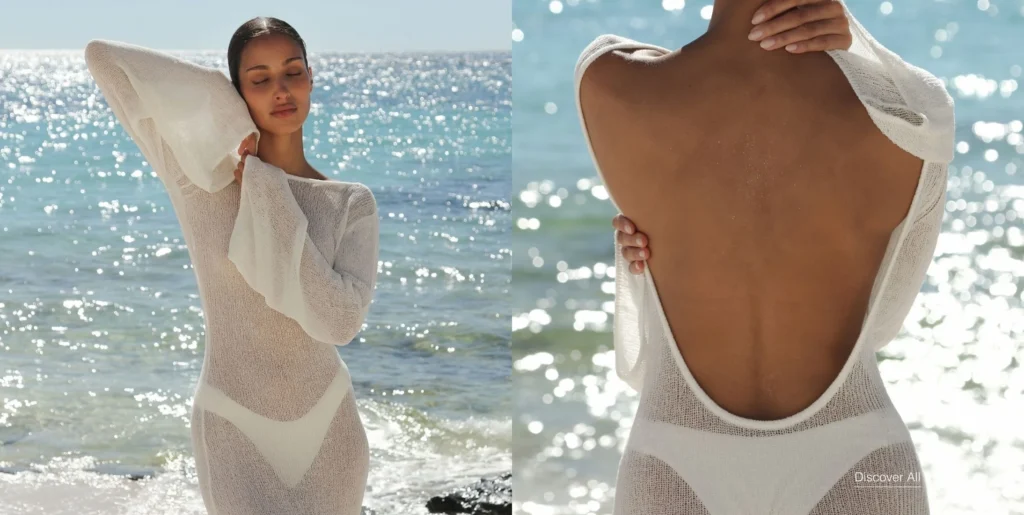
Why choose a one-piece over a two-piece?
Choosing a one-piece over a two-piece often comes down to practicality, comfort, and how you want to move through your day at the pool or beach. The following points outline common reasons shoppers favor the single-piece silhouette.
- Better sun protection for the torso with fewer tan lines, especially for outdoor activities and long days at the beach.
- All-in-one suits stay securely in place during swimming, water sports, and playful waves, reducing wardrobe malfunctions and the need to adjust constantly.
- Easier layering and styling versatility with one-piece silhouettes that pair with cover-ups, wraps, and accessories for varied looks on these sunny days.
- Flattering options across body types include high-cut legs, ruched fronts, and strategic paneling that enhance shape without sacrificing comfort during hot days at the pool and beach outings.
- Durability and fabric choices, like stretch blends and quick-dry finishes, can influence fit and longevity through seasons. Invest in quality, well-made pieces that pay off over time.
Choosing a one-piece can also simplify shopping when you want a single garment that transitions smoothly from water to land, reduces wardrobe adjustments, and provides consistent coverage in a range of activities. When selecting a piece, consider your torso length, preferred neckline, and the level of back and hip coverage that makes you feel confident and comfortable in motion. Pairing a solid with a bold print or choosing a high-cut leg can shift the visual length of the silhouette, creating different looks without changing the garment. In daily wear, a well-fitting one-piece can be layered with light cover-ups or denim to extend its use beyond the poolside. Ultimately, the best choice aligns with your activity goals, comfort, and personal style, offering versatility across settings and seasons.
Fabric and construction considerations
Fabric choice dictates stretch, recovery, and durability. Look for blends with nylon or polyester plus elastane for good recovery after drying, and check for reinforced seams to prevent stretching at stress points. Interior linings and molded cups add support, while seamless edges reduce irritation during long days in the sun. Weight and fabric opacity influence comfort when bending, twisting, or reaching overhead. Quick-dry performance matters after a swim or shower, and colorfast dyes help ensure the garment looks new after multiple wears. The cut and stitch density around the chest, waist, and hips determine how the fabric sits and moves with you. For active lifestyles, features such as wide, adjustable straps and a moderate neckline can provide secure support without restricting movement. Finally, consider care instructions; some fabrics require gentle washing or air drying to maintain elasticity.
Style and fit tips for different body types
Try silhouettes that balance proportions you want to emphasize. A higher neckline flatters bust support, while a lower back or side cutouts draw attention to curves. Adjustable straps, tummy-control panels, and carefully placed patterns can enhance comfort and confidence across sizes. People with long torsos may prefer suits with more torso length and slightly higher leg lines to avoid ride-up. Petite frames often benefit from smaller prints and vertical lines that elongate the silhouette. For curvier figures, thicker straps, higher coverage at the back, and ruched panels can improve both support and shaping, while still allowing freedom of movement. Color blocking and strategic seams can create the illusion of a longer torso or slimmer waist. Remember that personal preference matters most; the right fit feels like a natural extension of your body rather than a constraint.
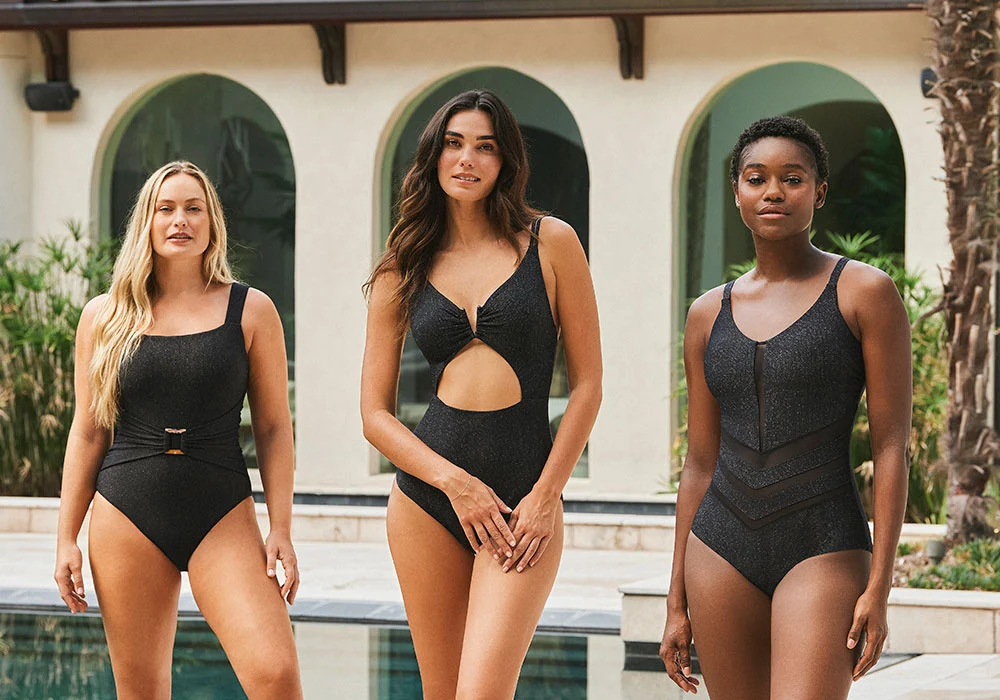
Common use cases (beach, sports, pool)
On the beach, one-piece swimsuits offer reliable coverage for sun protection and comfortable movement while walking along the shore or playing beach games. By design, many one-pieces stay in place when bending, stretching, or reaching for a towel, which minimizes wardrobe adjustments and keeps you focused on fun. For water sports, sport-oriented cuts with secure straps, higher backs, and reinforced seams can withstand splashing, waves, and quick transitions between swimming and diving. In pool environments, certain fabrics resist chlorine and fading, preserving color and shape through regular workouts and laps. Families and travelers appreciate one-piece options that pair well with cover-ups and sandals, creating a cohesive, low-maintenance look for days filled with activities. When attending pool parties or resort outings, fashion-forward silhouettes, bold prints, and sleek textures help you express personal style while staying comfortable. For workouts, quick-dry fabrics and muscle-friendly fits reduce drag and allow more freedom of movement in the water. Across all these scenarios, selecting a swimsuit that matches activity level, climate, and personal style ensures you feel confident from sunrise to sunset.
Types of One-Piece Styles
One-piece swimsuits come in a range of silhouettes designed to flatter different body types and activity needs. From timeless classics to statement-making cuts, the right style emphasizes comfort, fit, and coverage. In this section, we explore traditional silhouettes, daring necklines, strategic cut-outs, and performance designs. Use fit and fabric details to guide your choice for pool days, beach vacations, or workouts. Whether you seek vintage charm or a modern, sporty edge, there is a one-piece style to suit your preferences.
Classic and Tank One-Pieces
Classic and tank one-pieces have long been the backbone of swimwear. They offer clean lines, reliable coverage, and a timeless silhouette that works across age groups and activity levels. The tank style, with its higher armhole and broader shoulder strap, sits comfortably on a variety of bust sizes and flatters vertical lines. These suits pair well with retro accessories or minimalist beachwear, and they transition easily from pool to boardwalk. Fabric choices range from smooth nylon blends to compressive stretch materials that maintain their shape after a day in the sun. The cut tends to skim the torso rather than hug every contour, which makes them forgiving on many body types. Strap width and back coverage vary, but most classic tanks balance modesty with mobility. For those who want a touch of vintage charm, a scoop neck or slight V in the front adds a flattering line without sacrificing practicality. When shopping, look for fully lined panels and secure closures at the back or sides to ensure stability during movement. Pair with a lightweight sarong or denim shorts for a timeless seaside look.
Scoop neck and square neck
Scoop neck and square neck styles share a clean, modest neckline that frames the collarbone and balances bust proportions. The scoop neck typically dips slightly lower than the square, which can elongate the torso and soften the bust line without exposing too much. A square neckline, with more angular corners, creates a sharper line across the chest and pairs well with minimalist jewelry or sporty strap configurations. Both necklines work well on a wide range of body types, especially when the straps are medium width and the torso is evenly covered. For petite frames, a scoop neck can visually narrow the shoulders while keeping the overall silhouette balanced. For fuller busts, a slightly higher back closure with soft ruching can add support and prevent gaping. In all cases, look for smooth linings and stretch fabrics that adapt as you move, plus secure side clasps or back zippers for extra security during water activity.
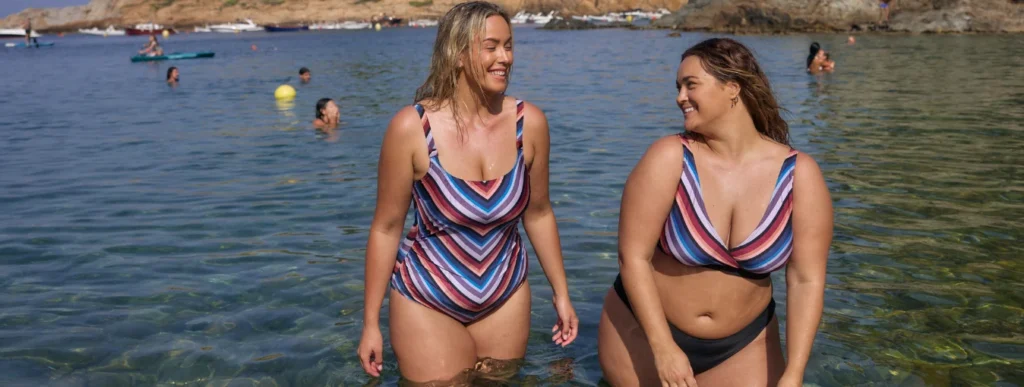
High-neck and halter
High-neck and halter styles rise to the challenge of sun protection and movement. A high-neck cut can provide coverage across the chest and neck, reducing tan lines and offering a modern, architectural look. Halter variants often feature straps that tie behind the neck or connect to a racerback, freeing the arms for full range of motion in activities like swimming laps or surfing. If you choose a halter, consider pre-contoured cups or built-in support to avoid shifting during vigorous movement. The high-neck silhouette can incorporate cut-out accents or mesh panels at the shoulders, adding visual interest without compromising coverage. When selecting either option, prioritize secure closures at the back and a snug fit through the torso so the neckline stays in place during dynamic moves. Fabric with good recovery prevents sagging after a session in chlorinated water or saltwater, and a lined front prevents show-through on camera.
Plunge, V-neck and Deep-neck Styles
Plunge, V-neck and deep-neck styles push the neckline lower than the traditional scoop, creating a bold line that can visually elongate the torso and accentuate the bust. These cuts range from subtle V-adjacent shapes to truly statement plunges that dip toward the sternum, so the choice often comes down to how much coverage you want and how you feel in the fabric. To maintain security, look for built-in cups, side panels, and supportive underbust features that keep everything in place without constant adjustment. The straps are a key detail: wider straps offer more support, while slender ties or decorative hardware can shift with movement. For water sports, pair a plunge or deep-neck piece with a wide back or a hidden under-bust band to preserve stability during laps or surf sessions. Fabric choice matters here too—nylon-spandex blends with good recovery prevent sagging and maintain shape after repeated uses. When styling, consider wearing under a lightweight cover-up that echoes the neckline, creating a cohesive look for poolside photos. V-neck silhouettes can be surprisingly versatile, bridging the gap between classic elegance and modern edge. They pair well with high-cut legs or waist-to-hip swim skirts for variety. For those with longer torsos, a slightly deeper cut can be balanced with a longer back strap; for shorter torsos, choose a shorter depth to avoid pooling fabric.
Cut-out and Monokini Variations
Cut-out and monokini silhouettes redefine the classic one-piece by weaving negative space into the silhouette. The following variations showcase how placement and fabric choices change the overall fit and function.
- Side cut-outs at the natural waist create an hourglass silhouette while preserving coverage and comfort for all-day beach days.
- Keyhole openings at the chest add a subtle focal point, balancing style and support with secure straps and a stable back closure.
- Back-shoulder cut-outs reveal skin with tasteful spacing, paired with wide straps to maintain comfort and ensure stay-in-place performance during water activities.
- Geometric cut-outs and strategic mesh details mix fashion-forward design with reinforced seams for durability under movement and repeated sun exposure.
When selecting these styles, ensure adequate lining, secure closures, and straps that stay in place for comfort through movement. A well-made cut-out or monokini uses thoughtful space, sturdy hardware, and fabrics with good stretch recovery to keep everything aligned during a splash, a jump, or a playful tumble.
Side cut-outs at the natural waist
Side cut-outs at the natural waist create an hourglass silhouette while preserving coverage and comfort for all-day beach days. This detail works best when the surrounding panels are smooth and the fabric has enough stretch to avoid pinching. Look for clean seam lines that blend into the body rather than interrupting the line of the suit, and ensure the openings start and end at flattering points without exposing undergarments or skin that might feel exposed in bright sun. The effect is contemporary without sacrificing practicality, allowing for easy movement during swimming, snorkeling, or playful beach games. If you have a longer torso, a slightly higher cut along the body can help balance the look.

Keyhole openings at the chest
Keyhole openings at the chest add a subtle focal point, balancing style and support with secure straps and a stable back closure. The size of the keyhole influences coverage, so start with a modest shape if you want a versatile piece that works for pool workouts and casual sunbathing. Pair keyholes with supportive underbands, mid-range strap width, and a lined front to prevent see-through in bright light. In active settings, ensure the neckline has stay-in-place features such as interior grip tape or an elastic chest panel. Finishes like matte fabrics reduce glare on sunlit days, while smooth linings help the suit glide over the skin.
Back-shoulder cut-outs
Back-shoulder cut-outs reveal skin with tasteful spacing, paired with wide straps to maintain comfort and ensure stay-in-place performance during water activities. For movement-heavy days, choose a design with reinforced seams, a secure back clasp, and a power mesh panel behind the cutout to keep fabric stable as you swim or play. The placement should avoid bra lines or gaping when leaning forward, so check the fit with a dry test before getting wet. Consider how the cut-outs align with your natural curves and whether the overall line flatters your body shape from all angles. Like all monokinis, ensure that you feel confident and covered at the moments you bend, twist, or dive.
Geometric cut-outs and mesh details
Geometric cut-outs and strategic mesh details mix fashion-forward design with reinforced seams for durability under movement and repeated sun exposure. This approach creates visual interest while maintaining structural integrity in high-stress zones like the hip and neckline. Look for pieces with bonded edges rather than raw edges to minimize chafing, and choose fabrics with good stretch recovery so the shapes stay crisp after a swim and a sun-drenched afternoon. Mesh inserts should be backed by solid panels to preserve modesty when the suit flexes. If you prefer a sportier aesthetic, opt for monochrome tones with subtle contrast lines that highlight the geometry without overwhelming the eye.
Sport and Performance One-Pieces
Sport and performance one-pieces are engineered for active days, whether you’re swimming laps, practicing water aerobics, or catching waves. The primary goals are secure fit, freedom of movement, moisture-wicking comfort, and durability under chlorine and sun exposure. Designers use compression panels, reinforced seams, and wide, adjustable straps to distribute tension and reduce bounce. Fabrics such as PBT-coated nylon, polyester blends, and high-spandex ratios provide excellent stretch and shape retention. Many performance suits feature built-in quick-drying linings and UPF protection to shield skin from sun exposure between sessions. Cut lines often favor higher leg openings for range of motion while maintaining modesty; racerback or cross-back straps keep the suit in place during flips and turns. Zippers at the back are common on some styles for easy on-off, while secure closures at the midsection prevent wobble during intense kicks. For those with a preference for plus-size options, designers are increasingly offering supportive panels, wider straps, and larger armholes that maintain mobility without sacrificing coverage. When selecting a sport-focused one-piece, prioritize a size that allows full extension of the arms and adequate room at the chest, and check the chlorine resistance rating of the fabric to gauge long-term durability. Performance suits also vary in leg height, with full-coverage options offering modesty for public beaches and mixed-use pools, and high-cut legs providing leg-lengthening aesthetics for those who want a leaner look. For ocean activities, consider mid or high-back designs that resist strap migration when paddling. In terms of care, follow washing guidelines to preserve elasticity; rinse after exposure to salt and chlorine, avoid heat drying, and store flat to minimize creasing that could affect fit. Accessorize with a lightweight wetsuit jacket for chilly mornings or a rash guard to extend the life of the suit. Investing in a quality performance one-piece is not only about sport but also about confidence: you can train, swim, or play with comfort knowing the suit will stay in place and look sleek in action.
Choosing the Right Fit
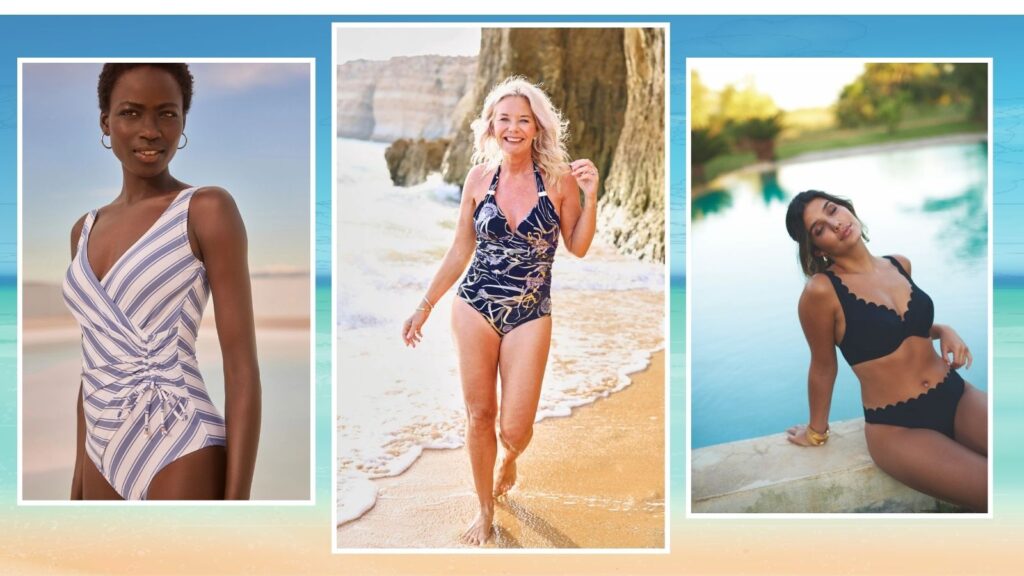
Choosing the right fit is essential for both comfort and confidence in a swimsuit. For one piece styles, the fit influences coverage, support, and how the fabric flatters your shape. Start with accurate measurements and map them to your favorite brands’ size charts. Remember that different swimsuit cuts can fit differently even at the same bust, waist, and hip measurements. This section walks you through measuring, support options, coverage choices, and adjustability to help you find a flattering, empowering option for every body.
Measuring for fit: bust, waist, hips, torso
Accurate measurements are the foundation of finding the right one-piece swimsuit. While size labels vary across brands, knowing your bust, waist, hips, and torso length helps you choose a silhouette that flows with your natural lines rather than riding up or pulling at the seams. Below is a practical measurement guide to help you map your numbers to standard size ranges, so you can shop with confidence.\n\n \n
| Measurement | How to measure | Typical size guidance |
|---|---|---|
| Bust | Measured around the fullest part of the chest, keeping the tape horizontal and snug but not tight. | Typically corresponds to XS–M depending on brand and cup style |
| Waist | Measured at the natural waist, the smallest part of the torso; tape parallel to the floor. | Commonly aligns with S or M for standard sizes |
| Hips | Measured around the fullest part of the hips and buttocks, with feet together. | Guides size around S–L depending on rise and cut |
| Torso length | Measured from the center of the shoulder to the crotch, following the spine curve. | Long torsos may require high-cut or tall-torso options |
\nIf your measurements sit between sizes, prioritize torso length and bust support, as these most influence fit in one pieces. Always check the brand’s size chart and consider styles with stretch fabrics or adjustable features to accommodate your body.
Cup support and built-in bras
Cup support and built-in bras matter for comfort, security, and shaping in a swimsuit. The market offers a range of constructions, from soft cups to molded underwire options, and the choice is usually driven by bust size, activity level, and personal preference. Built-in bras provide lift and a stable base, reducing movement as you swim or chase a towel into the wind. Removable padding gives you flexibility to adjust shape or go lightweight for hot days. For some bodies, a shelf bra or lightly padded cup with a reinforced band can prevent strap stretch and keep the top from shifting. When shopping for plus-size or long-torso fits, look for double-layer cups and wider under-bust support to secure the fit without digging in. Petite or low-bust figures may appreciate molded cups that create contour without excess volume, along with proportionate strap width to keep the silhouette balanced. If you prefer minimal structure, you can opt for a soft-tie design with adjustable straps and a firm, lined fabric to prevent show-through. Always verify the presence of a secure back closure or adjustable straps, as these details influence how well the swimsuit holds its shape during wear. In all cases, the fit should feel snug but not restrictive, allowing you to move freely whether you are lounging poolside or taking a dip. Ultimately, cup support should align with your daily activity, your chest size, and your comfort preferences, helping you feel confident in your Women’s one piece swimsuits without compromising mobility or style. Consider the fabric composition and lining as part of the support system. A good inner lining adds opacity and keeps padding in place, especially in darker colors or bold prints. For high-suction fabrics or bikinis with built-in bras, check seam construction and edge finishing to avoid chafing. If you are between cup sizes, choose a style with removable padding and adjustable straps to tailor the fit. Finally, test the suit by performing a quick bend and reach test in front of a mirror to ensure support holds when your arms move.
Coverage levels: from modest to cheeky
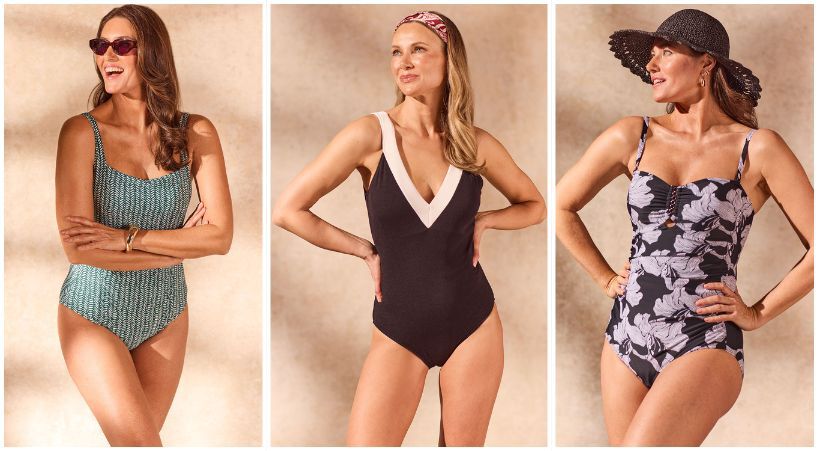
Coverage levels help you balance sun exposure, comfort, and personal style in one-piece swimsuits. Whether you prefer modest or playful silhouettes, understanding terms like full coverage, moderate coverage, cheeky, and high cut can guide your selection and help you visualize fit. Full-coverage styles provide ample fabric across the back and belly, offering sun protection and security for swimming laps, chasing kids, or strolling the beach with confidence. Moderate coverage balances sunscreen safety with a flattering silhouette, typically featuring mid-rise bottoms and a neckline that remains elegant without revealing too much. Cheeky cuts reduce fabric at the rear and reveal more leg, ideal for sun exposure days when freedom of movement matters and you want a sportier vibe. High-cut silhouettes elongate the legs while maintaining moderate coverage across the torso, creating a lengthening look that flatters a variety of body shapes. Vintage-inspired pieces often combine mid-coverage bottoms with higher necklines or modest backs, delivering timeless style that fits many beach personas. When choosing a coverage level, consider your planned activities, fabric opacity, and how you feel most confident moving through water or lounging by the pool.
Adjustable features: straps, ties, closures
Adjustable features are the practical heart of a customizable fit in one-piece swimsuits. By adjusting straps, ties, and closures, you can fine-tune support, coverage, and comfort for different activities and body changes. The most common adjustable element is the shoulder strap, which can slide for length and sometimes rotate for comfort; look for straps with durable sliders that stay in place when wet. Tie details at the sides or back let you tailor leg opening height and torso fit without compromising the overall silhouette. Optional halter ties or back ties offer versatility for travel wardrobes, letting you switch between a secure strapless feel and a supportive tether. Closures such as back hooks, front zips, or hidden clasps provide a secure anchor and can help you adapt the fit as you wear the suit over time. When choosing adjustable pieces, consider the range of motion you need for activities like swimming, playing in surf, or sunbathing; some designs sacrifice structure in exchange for versatility, so balance is key. For seashell prints, bold color blocks, and fashion-forward shapes, it helps to have a suit that you can tug into place with minimal effort without losing shape after a dip in the water. If you find straps dig in after hours in the sun, switch to wider straps or cushioned sliders, or choose a style with an integrated shelf bra for extra distribution of weight. The best adjustable features stay in place and do not slip when you move, ensuring the suit remains flattering as you shift from pool to shore. Finally, always test your chosen fit by a quick movement check in your mirror: reach, bend, twist, and walk to confirm the straps stay aligned, closures hold, and the overall look remains streamlined through a full day of wear. Some designs include adjustable torso panels or gussets that can be cinched a touch to raise coverage in the midsection or elongate the torso when desired. Pay attention to the fabric’s stretch: a high-elastic content helps maintain shape after repeated washings and chlorine exposure. If you are between sizes, adjustable features can be a lifesaver, allowing you to dial in the right balance between compression and comfort. In sum, choose a swimsuit with well-constructed adjustability that enhances confidence across activities while preserving style across trends.
Fabric, Construction and Care
Fabric, construction and care are the pillars of choosing a swimsuit that fits well, feels comfortable, and lasts through multiple seasons. This section breaks down fabric blends, build quality, and the essentials of maintenance. You will learn how different fibers respond to sun, chlorine, and abrasion, and how seams and linings affect comfort. We also cover practical tips for choosing based on body type, activity level, and climate. Understanding these fundamentals helps you select flattering one piece swimsuits that retain shape, color, and support longer.
Common swimsuit fabrics and their properties
Below is a practical comparison of common swimsuit fabrics and how they behave in water and sun.
| Fabric | Comfort & Fit | Durability | Care | Best Use |
|---|---|---|---|---|
| Nylon/Spandex blend (80/20) | Soft, smooth feel with strong stretch that hugs the body without pinching, improving freedom of movement for waves, turns, and quick transitions in water. | Tough fibers that resist abrasion and provide fast drying, yet elastane can gradually lose some elasticity with heavy chlorine exposure over time. | Rinse after use, machine wash cold on gentle cycle, and avoid high heat. Air dry or lay flat to preserve elasticity and avoid fabric damage. | Training swims, lap wear, and daily pool sessions where a balance of comfort, speed, and long term shape retention matters. |
| Polyester/Spandex blend (85/15) | Sturdy and smooth with retained shape, offering reliable support while staying comfortable for longer sessions in warmer climates. | Excellent colorfastness and chlorine resistance, with fibers that resist pilling and wear, making it a durable option for frequent pool use. | Machine wash cold, avoid harsh detergents or bleach; line dry to minimize heat exposure that can degrade elasticity. | All purpose swimsuits for families, travel, and regular pool days that require lasting color and fit. |
| PBT/Spandex (70/30) | Smoother surface with higher elasticity, offering a snug yet comfortable fit that moves with you through dives and laps without cling. | Exceptional shape retention and chlorine resistance; tends to hold bright colors and structural integrity even after many wears. | Rinse after pool use; hand wash recommended; air dry away from direct sun or heat to protect fibers. | Race suits and performance styles that demand tight fit, speed through water, and long lasting form. |
| Chlorine-resistant blends (PBT/Elastane 90/10) | Neutral feel with steady support; designed to stay in place during movement, offering dependable coverage during turns and flips. | Excellent resistance to chlorine and sun exposure; maintains elasticity over hundreds of swims and sun cycles. | Rinse after use; air dry away from heat; occasional hand wash helps remove sunscreen and oils. | Competitive training and long sessions where durability, fit, and color stay consistent. |
Use this as a quick reference when selecting a fabric for your activity, climate, and care routine.
Lining, padding, and seam construction
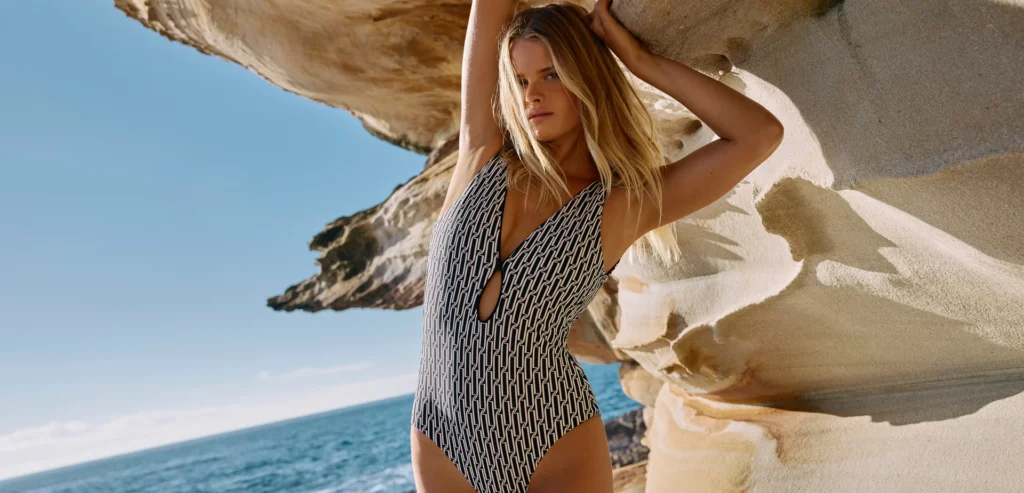
Lining, padding, and seam construction are subtle factors that greatly influence long wear comfort. A soft interior lining reduces friction against skin and prevents chafing during repeated movement. The lining should lie flat with the outer fabric and not create lumps that show through delicate knits. Seam quality matters, with flatlock or bonded seams minimizing irritation on the shoulders, hips, and underarms. In addition, seam allowances and the way stitching is finished affect how the suit withstands stretching and repeated entry into cold water.
Padding is used to shape and support the bust, but it should not overwhelm the silhouette or create visible bulk when the fabric is wet. Removable pads offer versatility for different outfits, while fixed padding provides consistent shaping for all wearers. In well designed swimsuits, padding is light enough to maintain a natural look and avoid shifting during dives and turns. The choice between molded foam and light poly fills can change how the swimsuit feels in practice, especially during movement or sun exposure.
Consider how the fabric and seam construction interact with body type and activity level. For high mobility or long days at the pool, prefer edges and seams that stay comfortable as you move, and linings that remain breathable when damp. The overall build quality, including stitch density and secure bonding of fabric layers, determines how well a swimsuit holds its form after repeated entry, exit, and sun exposure. When trying suits online, look for detailed fabric content, care instructions, and user reviews that mention fit across chest, torso, and hips.
Care, washing and drying best practices
Proper care extends the life of your swimsuit by preserving color, elasticity, and fit. The following steps reflect common recommendations from brands and testers that wear swimsuits in regular pool and beach environments.
- Rinse promptly with clean water after swimming to remove chlorine, salt, sunscreen, and body oils that can gradually degrade fibers and reduce stretch over time.
- Use a mild detergent, wash in cool water, and avoid fabric softeners or harsh detergents that can break down elasticity and shorten the life of sewn seams.
- Gently squeeze out excess water without wringing, then press the fabric between towels to remove moisture while preserving shape and preventing stress on seams.
- Lay flat or hang to dry away from direct sunlight or heat sources; shade drying helps preserve color and avoids fiber damage from ultraviolet exposure.
- Avoid frequent machine drying and store the swimsuit flat or loosely folded; this reduces creasing and helps maintain fit through many wears.
By following these steps, your swimsuit maintains a flattering fit and color through many seasons of swimming and sun exposure.
Sustainability and recycled materials
Many brands now offer swimsuits made with recycled fibers such as ECONYL nylon or recycled polyester blends. These fabrics reduce the need for virgin raw materials while delivering comparable stretch, color retention, and quick drying in most everyday pool or beach conditions. In some cases, the hand feel may be slightly different and the range of textures or colors can vary, but modern recycled fabrics perform well for regular pool use and outdoor sun exposure.
Trade offs include that recycled fibers can have different moisture management properties and slightly different recovery after elongation; occasional stiffness or loss of smoothness can occur if the fabric profile is very high tension. Still, the environmental benefit is meaningful for shoppers seeking to minimize waste.
Choosing sustainable options often means balancing performance with eco impact. Look for detailed fabric content, third party certifications, and brand commitments to end-of-life take back or recycling programs. When possible, support brands that publish supply chain practices, minimize packaging, and use water-based dyes and low-impact finishing processes.
Overall, sustainable one piece swimsuits offer a responsible path to fashion that combines style with environmental awareness, creating pieces that support body confidence and long wear. Ultimately, the best choice is the one you will wear often and repair when needed, since durability translates into lower waste.
Styling Tips for Different Body Shapes
Choosing a swimsuit that flatters your shape starts with understanding your silhouette and how different cuts perform on the body. In this guide, we pair classic one piece styles with practical fit tips to help you feel confident at the beach or pool. We’ll cover how to match Apple, Pear, Hourglass, and Rectangle figures to flattering cuts, as well as color choices, accessories, and alterations that improve fit. You’ll find advice that respects body diversity and emphasizes comfort, coverage, and movement. Ready to refine your look with on-trend one piece swimsuits that celebrate every body type.
Apple, pear, hourglass and rectangle: recommended styles
For Apple shapes, where the shoulders and bust run broader than the hips and the waist is less defined, look for swimsuits that create vertical lines, offer tummy control, and bring focus to the neckline. High necklines or scoop necks with ruching at the abdomen help smooth and streamline the midsection. Tank and one piece silhouettes with built in power mesh panels can provide gentle shaping without feeling restrictive. Underbust bands or empire waists draw attention upward and create the illusion of a longer, slimmer torso. For Pear shapes, with full hips and a smaller bust, emphasize the upper body to balance the silhouette. Halter or wide-strap tops, sweetheart necklines, and ruffle details at the bust create the impression of a fuller bust while drawing the eye upward. A dark or solid bottom paired with a brighter, patterned or textured top also helps to shift the visual weight toward the upper body. If you want more coverage on the hips, look for mid to high waist options with smoothing panels that skim over the hip line. Hourglass figures benefit from swimsuits that preserve proportion between top and bottom. Classic one pieces with a defined waist, whether through a seam, belt, or ruched fabric, celebrate balanced curves. V necklines, scoop necks, or sweetheart shapes elongate the neck and highlight the bust, while side panels or panels of contrasting color can emphasize the waist without creating bulk. Rectangle shapes can benefit from designs that create curves where they are flatter. Look for suits with strategic seaming, cutouts, or color blocking that implies a waist. Belts, side ruching, or diagonal color panels can simulate an hourglass silhouette. If you want more structure, a one piece with molded cups and removable padding helps create the illusion of shape even when your natural curves are subtle. In all shapes, ensure the fit around the shoulders, bust, and thigh offers freedom of movement, and consider adjustable straps for a secure, personalized feel. The key is to test a few silhouettes in real time, since pool lighting and fabric weight can alter how a suit looks on you. Focus on comfort and confidence as much as appearance, because the best piece is the one you will wear with ease.
Color, pattern and print choices to flatter shape
Color and pattern play powerful roles in shaping perception on the body. Darker hues along the midsection can slim that area while brighter tones draw attention to the bust or shoulders. Vertical stripes and color blocking running along the length of the torso elongate the frame, especially when the seam lines align with your natural waist. For Apple shapes, opt for a darker bottom and a bright top with interest around the neckline to pull focus upward and away from the midriff. For Pear shapes, lean into contrast on the upper body with a bold top while keeping the bottom in a solid, dark tone to minimize hip emphasis. Hourglass figures benefit from continuous color or subtle contrasts that celebrate the waist without creating abrupt breaks. Rectangle shapes can benefit from panels that emulate a curved silhouette, using color blocks on the sides to visually sculpt the waist. Small, all-over prints on the top or bottom can tone down bold areas, while large prints placed strategically can create balancing focal points. When in doubt, choose color blocking that mirrors your natural body lines, and remember that prints with soft edges tend to read as less aggressive on the body. Fabric weight matters too: matte finishes tend to read smoother and leaner than shiny surfaces that reflect light. With thoughtful placement of color and print, you can transform a simple one piece into a flattering, confidence-boosting statement. If you’re shopping for plus size one piece swimsuits, darker panels at the sides and brighter tones at the front can create a slimming effect while preserving shape. For petite frames, vertical stripes, small scale prints, and monochrome color schemes can lengthen the silhouette without overwhelming the frame.
Accessories and cover-ups to complete the look
A well chosen cover-up adds polish and practicality to any poolside outfit. Light, breathable fabrics in sheer or semi-sheer textures can be layered over a one piece without adding bulk. Think cotton kaftans, chiffon kimonos, or a silky sarong tied at the waist for quick coverage after a swim. Accessorize with a wide brim hat and oversized sunglasses to protect your skin and elevate the style. A simple sandal with a comfortable footbed keeps the look versatile from beach to boardwalk. Choose a lightweight towel or wrap that can double as a shawl for cool evenings by the water. A slim belt worn over a one piece can create a defined waist for rectangle shapes, while a ruched side detail can add volume at the bust for apples and pears. Accessories like a stylish tote, a waterproof phone pouch, and sunscreen sticks round out the practical side of pool fashion. When selecting cover-ups, consider breathability, sun protection, and how easily the piece can be taken off or worn over a wet swimsuit. The goal is to create a cohesive look that remains comfortable and functional, whether you are lounging in the sun or taking a quick dip. For travel or resort days, bring a compact cardigan or a light denim shirt to pair with a one piece, so you can transition from sun to shade without changing outfits. A pareo in a printed fabric can be tied at the side to add movement and cover where you want it. Remember the best accessories are ones that stay comfortable when wet or damp and that dry quickly.
Swimsuit alterations and tailoring options
Not every swimsuit is designed with tailor made adjustments in mind, but some common fixes can improve fit and confidence. If strap length is too long or too short, look for suits with adjustable straps or convertibility to keep the neckline at the desired position. Bust adjustments can be achieved with removable padding or with tailored cups added by a professional seamstress in select fabrics. If the sides feel loose, some suits can be taken in at the seams by an experienced tailor, though this may be easier with solid color panels that hide alterations. For people seeking more thigh or hip coverage, consider altering leg openings or choosing higher waist lines that can be altered for a closer fit. Note that lining, stretch, and fabric recovery can limit how much a traditional swim fabric can be altered; many suits rely on stretch panels that resist alteration. In some cases, a tailor can replace or reinforce straps, adjust torso length, or add a small gusset to improve comfort during movement. For plus size or long torso bodies, selecting suits with extra fabric in the torso or with adjustable features is often more effective than trying to tailor a standard cut. Always consult with a professional seamstress who has experience with swimwear and fabric types, and test the suit after alterations in both dry and wet conditions. If alterations are not feasible, keep a backup selection of suits designed with adjustable features so you can find the right fit without major changes. Consider built in power mesh and multiple closures that allow incremental sizing, and remember that sometimes the best solution is trying a different cut rather than forcing a modification.